The core system
Build the week's dinners around the store flyer and what's already in the freezer. This one habit trims 10-20%.
Both are boring. Both are proven. Hungry unlisted shopping is how $40 trips become $70.
Rice, flour, oats, canned goods, cleaning, basic meds: 20-40% cheaper, frequently same-factory.
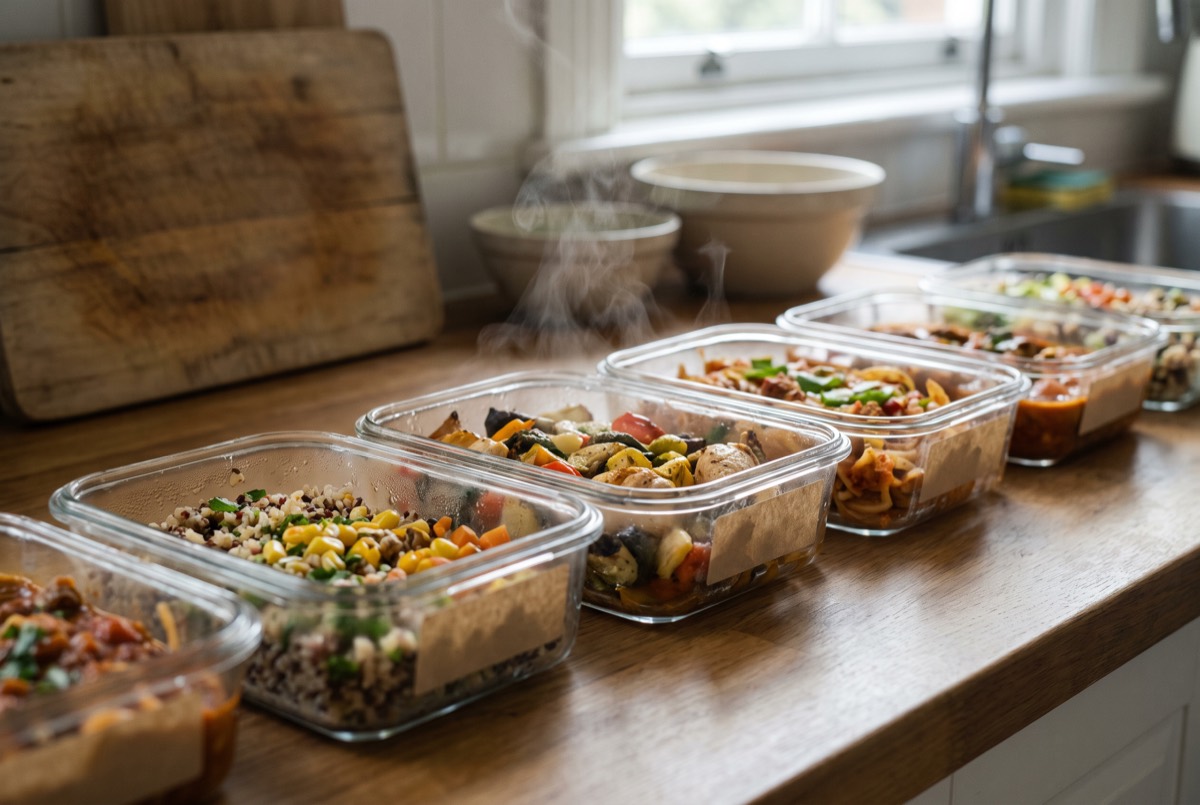
Double the chili, freeze half. Future-you skips a $30 takeout night on the worst Tuesday.
Bread, meat on markdown, chopped produce, leftovers. Waste is the invisible 25% grocery surcharge.
Plan meals after you've seen the sales. That one habit outperforms every coupon you'll ever clip.
Squeeze the price per item
Free to join, and digital coupons load in the app before checkout.
Bulk staples for families usually pay for the membership; bulk perishables for one person usually don't.
The shelf tag's per-ounce line is the only honest number on it.
Ask when meat and bakery get marked down; many stores do it the same hour daily.
Beans, rice, eggs, oats, frozen vegetables, whole chicken, in-season produce: the highest nutrition per dollar in the store.
When the food budget is the emergency
Monthly grocery money for qualifying households; many working households qualify. Free to apply through your state.
Targeted help for pregnancy and kids under 5; school breakfast/lunch where offered.
In every county, no shame at the door. Full links and steps on our food help page.
더 자세히 알아보기
What does a realistic flyer-first week look like?
Sunday, ten minutes: open the store app, note the three proteins and four produce items on discount, then sketch dinners around them: the chicken becomes two nights and a soup, the sale peppers join Tuesday's rice bowls. Write the list from the sketch, add staples, stop. You're not becoming a meal-prep influencer; you're deciding at the table instead of in the aisle, which is where the 10-20% comes from. Repeat kits (taco night, pasta night) do half the sketching for you.
Is bulk buying actually cheaper for a small household?
Only for things that can't die. Rice, oats, canned goods, frozen vegetables, cleaning supplies: yes, per-unit math usually wins. Fresh produce and dairy in bulk for one or two people is pre-paid compost; the waste erases the discount. The honest rule: bulk the shelf-stable, split the perishable with a friend, and always read the per-ounce shelf tag, because 'bigger' and 'cheaper per unit' are correlated, not identical.
How do I eat healthy when the budget is genuinely tight?
Nutrition per dollar clusters in a short list: dried beans and lentils, eggs, oats, rice, frozen vegetables (nutritionally comparable to fresh, minus the spoilage race), bananas, cabbage, carrots, whole chicken, canned fish. A week built on those runs well under typical takeout spending. And if the food line is where the month breaks, that's precisely what SNAP, WIC, school meals and food banks exist for. The food-help page walks every door, judgment-free.